


Ceramic Tile Movement Joints
Professional ceramic tile movement joints manufactured from 6063-T5 aluminum with flexible inserts. Prevent cracking in tiled floors. OEM customization & bulk supply available.
Material: Aluminum + Rubber
Length: 2.5M / 3M
MOQ: 500 Pcs / Mold
Lead Time:25 Days
Quotation Terms: EXW,FOB,CIF
Description
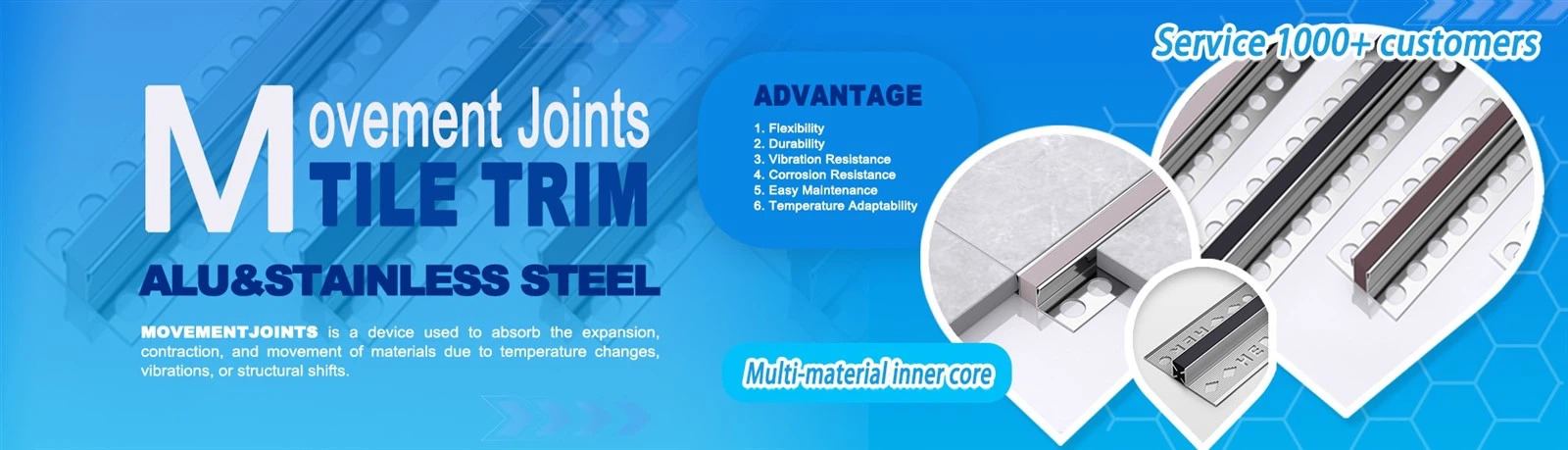
parameters Of ceramic tile movement joints
Custom OEM Manufacturer & Supplier, High-Quality Ceramic Tile Movement Joints for Industrial & Commercial Projects
| Material | Aluminum + Rubber |
Joint Width |
10mm – 30mm (custom sizes available) |
|
Insert material |
EPDM Rubber |
Height |
8mm, 10mm, 12mm, 15mm |
| Surface treatment | Anodizing Oxidation/Powdercoating/Mill Finish |
Length |
2.5–3 meters (8–10 ft) |
| Application | Controls tile cracking due to shrinkage and temperature in hotel, hospital, airport and rail station |
Thermal Expansion |
±30°C (e.g., -10°C to +40°C) |
|
Lateral Movement |
±1–3 mm |
Rubber Color | Grey, Skin, Brown, Bronze, Black, Beige or Custom |
| OEM Options |
|
Lead Time | 7days(for sample)-25 Days |
Ceramic Tile Movement Joints | Custom OEM Manufacturer & Supplier
As a trusted OEM manufacturer and supplier, we specialize in ceramic tile movement joints designed to handle structural movement while protecting tile surfaces. Our solutions are ideal for industrial floors, commercial buildings, and high-traffic areas, providing long-lasting durability and performance.
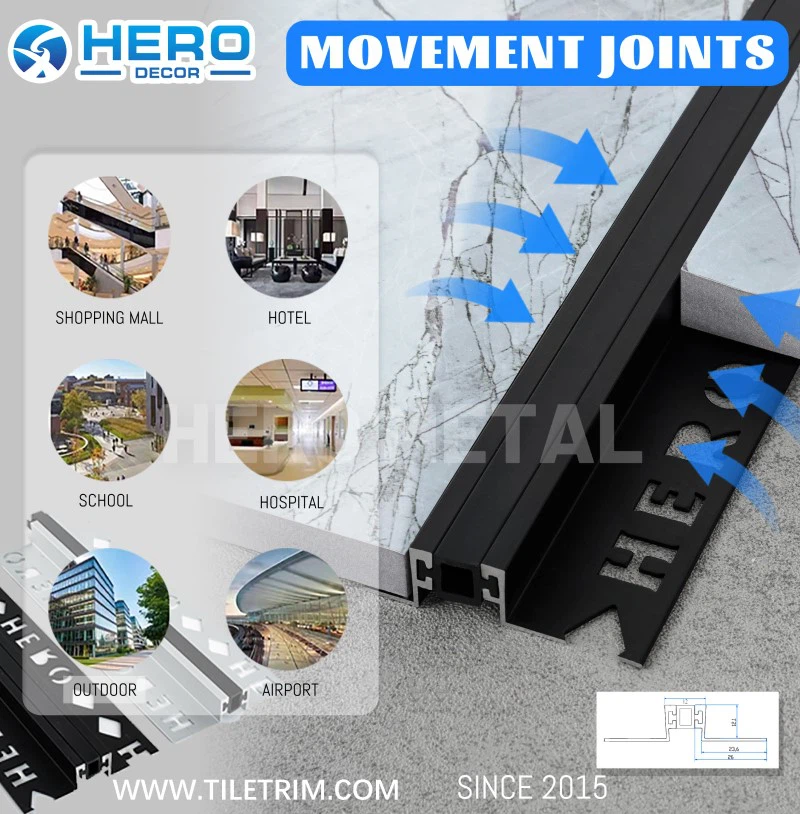
Key Features of Hero Metal - Ceramic Tile Movement Joints
- Customizable Sizes & Materials: Tailor-made to fit your specific project requirements. Our joints can be customized in length, width, and material composition, ensuring a seamless installation with ceramic tiles.
- Structural Protection: Engineered to absorb expansion, contraction, and vibration, our movement joints prevent tile cracking and maintain the integrity of your flooring system.
- Durable & Low-Maintenance: Made from premium materials, our joints resist wear, impact, and environmental factors, reducing maintenance costs over time.
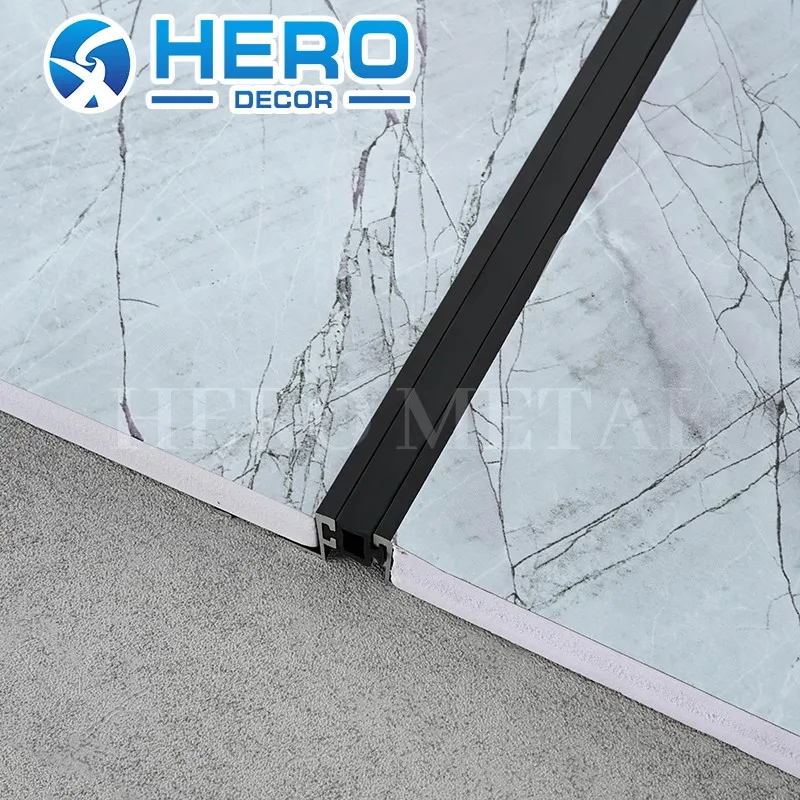
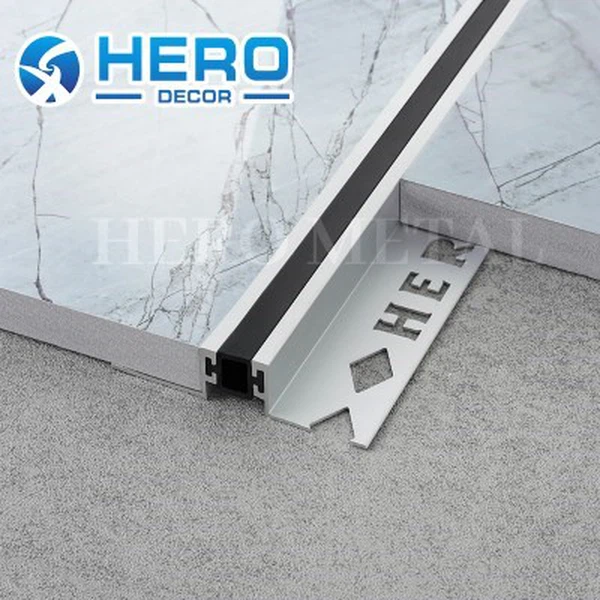
Other Types of ceramic tile movement joints
Invest in movement joints tiles that combine precision engineering, durability, and customizable design. Partner with us to ensure your projects meet the highest standards of quality and performance.
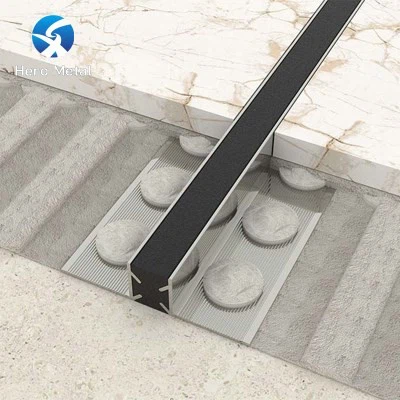
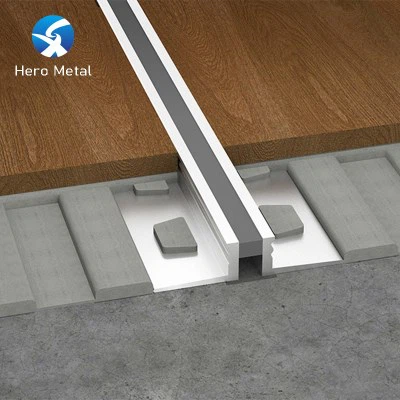

Free Sample Support
Contact us today for datasheets, free samples, and wholesale quotations. We provide engineered flooring expansion solutions for construction projects worldwide.

We understand the importance of experiencing our high-quality products.
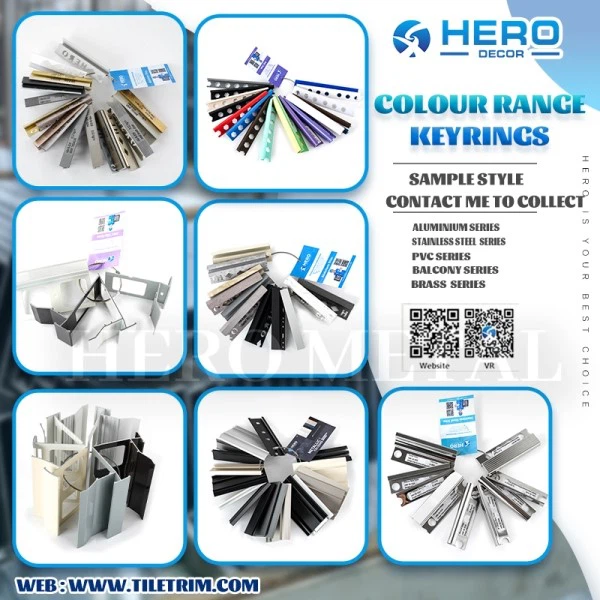
We offer a comprehensive sample to help your customer make informed decisions.
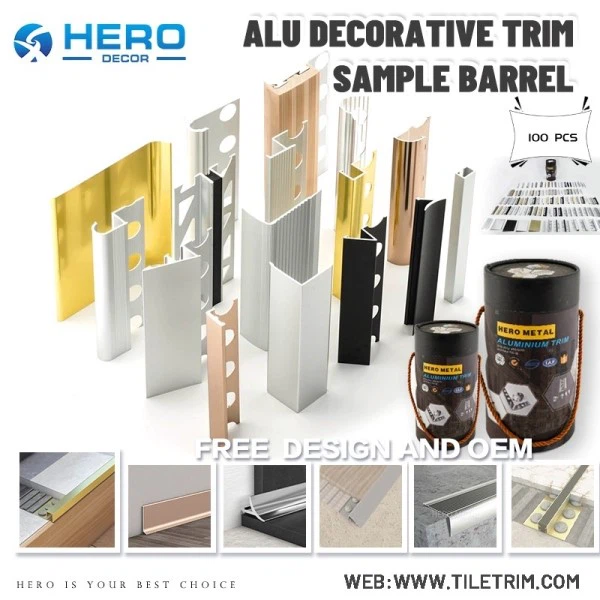
The sample barrel design is compact and easy to carry and display.
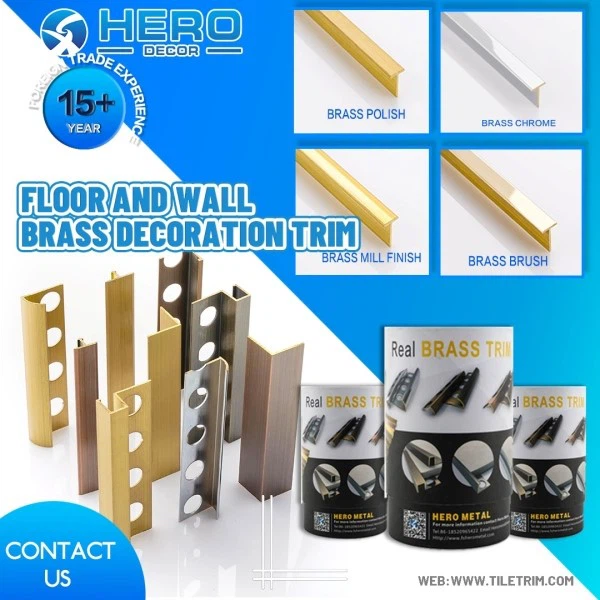
The sample bucket contains different series of samples, which is convenient for customers to intuitively understand the product.
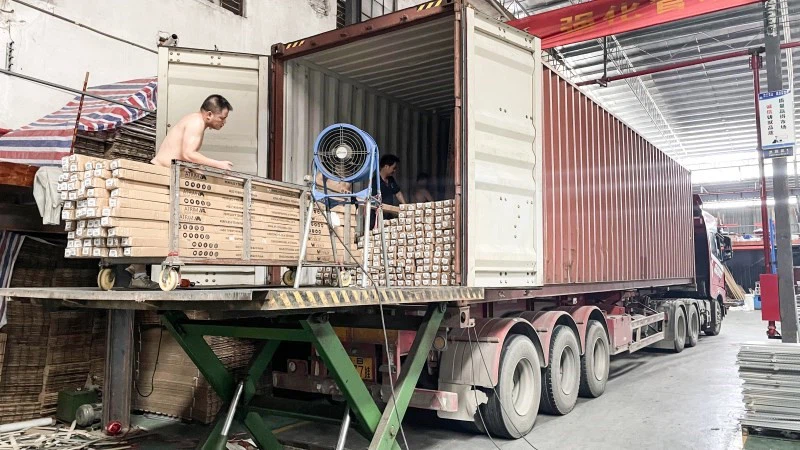
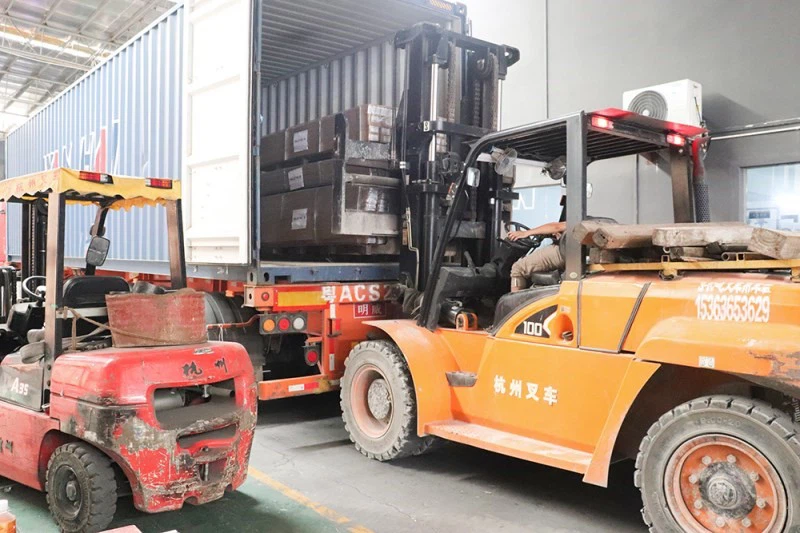
Packing and shipping
Hero Metal offers customizable packaging options, including pallet materials and configurations, as well as tailored transportation routes to meet customer requirements. This ensures the safety and efficiency of products during transit and storage.
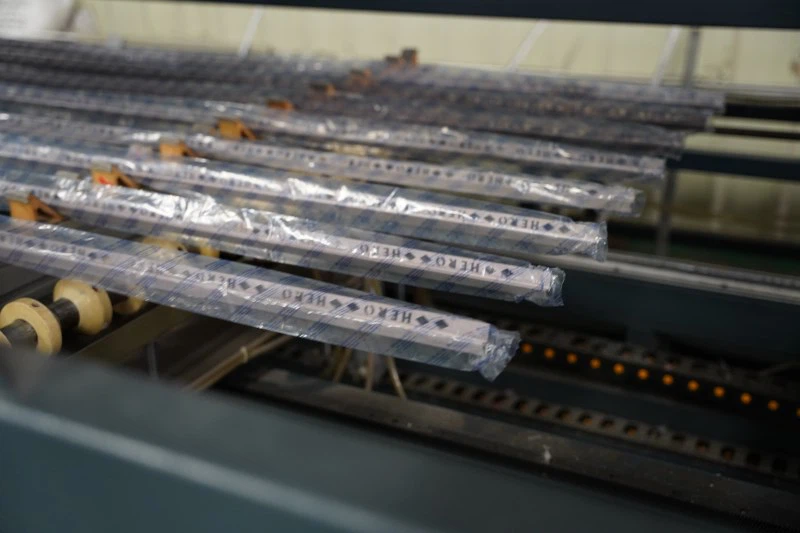
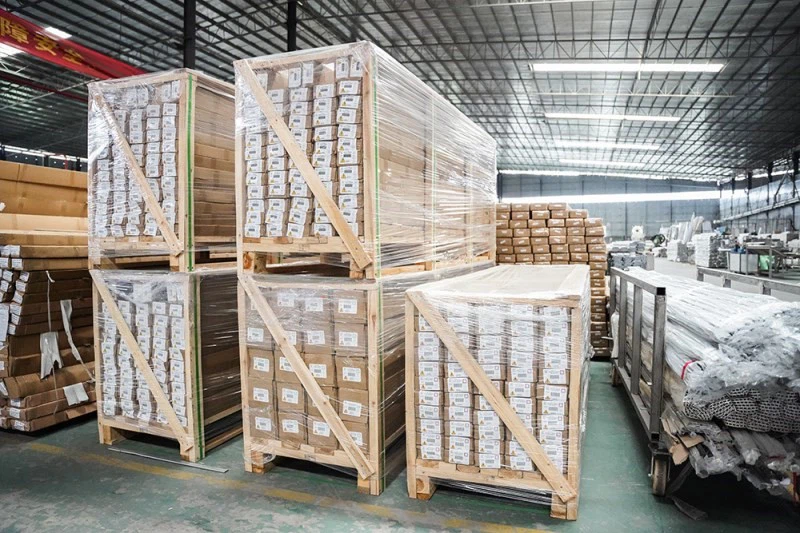
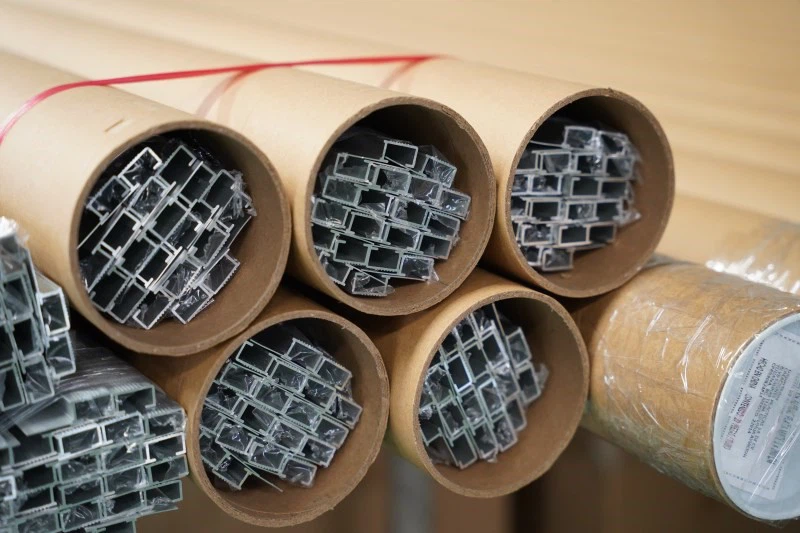
Everything You Need to Know
How far apart are movement joints in tile?
The placement and size of the joint is dependent on the environmental conditions at the location of the concrete. If the concrete subfloor is interior in a controlled environment there should be a movement joint place every 2- 25 feet in both directions.
What are movement joints in internal tiling?
Movement joints should be placed directly above any supporting walls or structural beams as they will add rigidity to the floor. The remaining floor area may be prone to a degree of flex or vibration. Junctions between floors and walls.
What material is used for tile movement joint?
Expansion joints can be made from various materials, including rubber, metal, and composite materials. The choice of material depends on the specific application and the type of movement it needs to accommodate.
Can expansion joints be repaired or replaced?
Yes, expansion joints can be repaired or replaced if they become damaged or worn out. Regular inspection and maintenance are crucial to ensure they function correctly and prevent potential structural issues.
Send Inquiry
You Might Also Like


