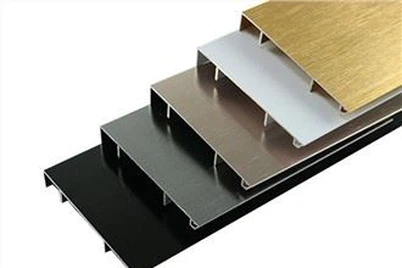
Aluminum Melting Point: Your Guide To Smarter Material Choices In Saudi Arabia
Leave a message
Choosing Durable Materials for Saudi Projects
- Melting Point Of Aluminum
Imagine you're designing a sleek new bathroom in Jeddah or overseeing a massive construction project tied to Saudi Arabia's Vision 2030. You've chosen aluminum for its lightweight strength, but have you thought about its melting point? At roughly 660°C (1220°F) for pure aluminum, this property can make or break your project's success, especially in Saudi's scorching climate. At Hero Metal, we specialize in aluminum building materials, and decorative tile trims that balance durability and aesthetics. In this guide, we'll unpack the science behind aluminum's melting point, show how it's used in Saudi industries, and share practical tips to pick the perfect material-whether for a cozy home or a mega-project. Let's dive in!
For a quick primer on aluminum's properties, check out Wikipedia's Aluminium page.
Why Aluminum's Melting Point Is a Big Deal
The melting point of aluminum-the temperature where it turns from solid to liquid-is a critical factor in how it performs. Pure aluminum melts at 660.3°C, but alloys (like those mixed with magnesium or silicon) can range from 580-650°C. In a place like Saudi Arabia, where summer temps hit 50°C+, picking the right aluminum can prevent warping during installation or use.
Why does this matter? Whether you're a homeowner tiling a kitchen or an engineer on a Neom project, understanding this property ensures your materials stand the test of time. Let's break down what affects it.
What Influences Aluminum's Melting Point?
▲ Alloy Composition: Adding copper (e.g., 2024 alloy) lowers the melting point to ~500°C, ideal for
aerospace but risky in high-heat settings. Magnesium alloys (e.g., 5052) hit ~630°C, great for home
decor.
▲ Impurities: Traces of iron or oxides can slightly raise the melting point but reduce flexibility.
▲ Processing: Extrusion keeps the melting point stable, while heat treatments boost strength without
changing it.
According to the National Institute of Standards and Technology (NIST), aluminum's thermal conductivity (237 W/m·K) lets it shed heat fast, making it a go-to for welding and shaping. Compared to stainless steel (melting at 1400-1500°C), aluminum is easier to work with but needs careful selection for hot environments.

Want a visual? Watch this YouTube video on aluminum melting for a clear demonstration.
Aluminum in Saudi Arabia's Booming Industries
Saudi Arabia's aluminum industry is thriving, with production exceeding 1 million tons annually and a market expected to reach $36.8 billion by 2034, per Expert Market Research-Saudi Aluminum. From car manufacturing to futuristic cities like Neom, aluminum is everywhere. The Ras Al Khair smelter, a Vision 2030 flagship, produces eco-friendly aluminum for global markets. But in a desert climate hitting 50°C+, the melting point is critical to prevent material failure.
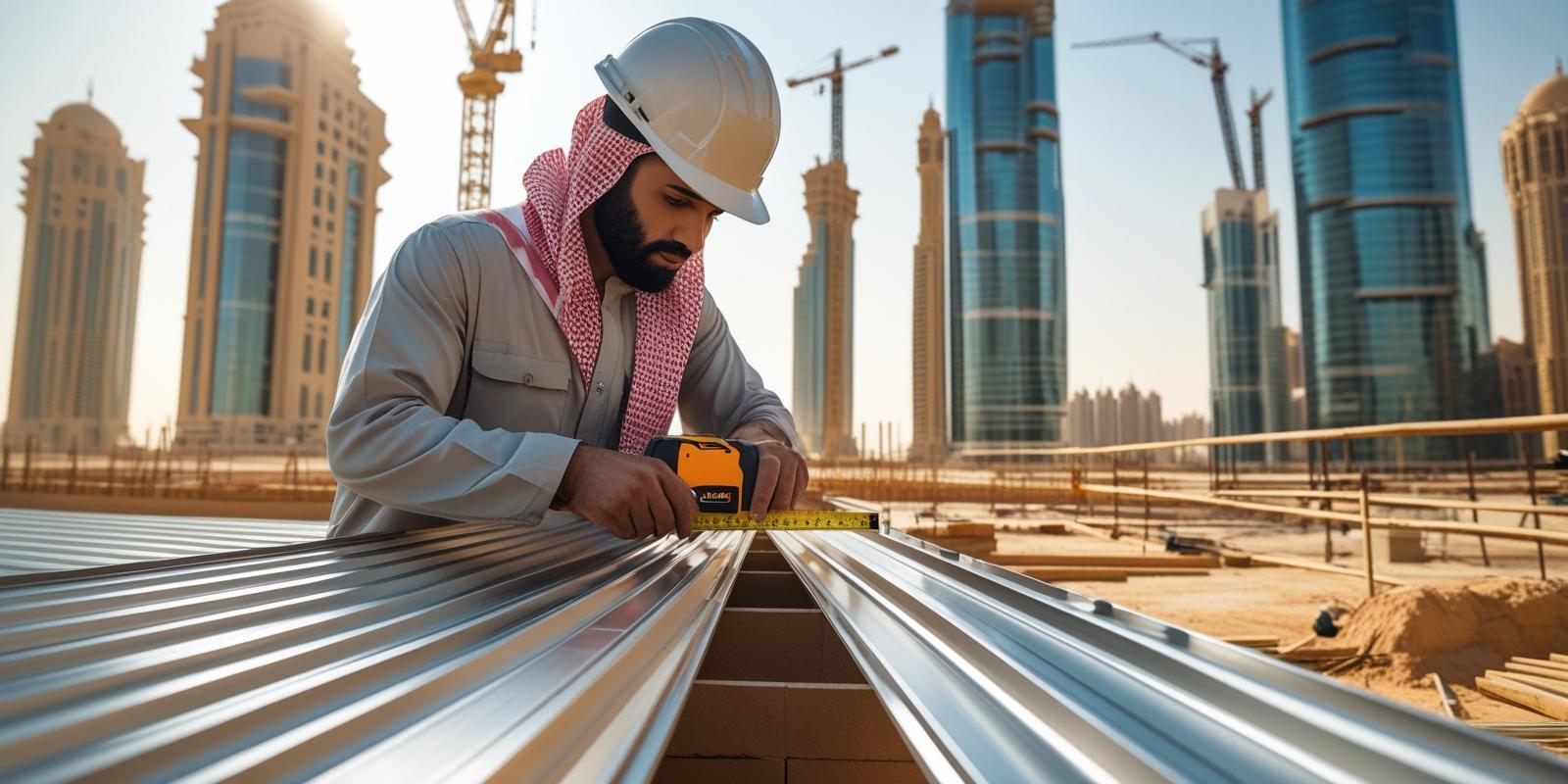
Take a recent project in Riyadh: a luxury hotel used our 6061 aluminum tile trim for its lobby flooring. The alloy's high melting point (~650°C) ensured stability during installation, even with hot adhesives. Similarly, Neom contractors chose aluminum frames for their heat resistance. These cases highlight why picking the right alloy matters.
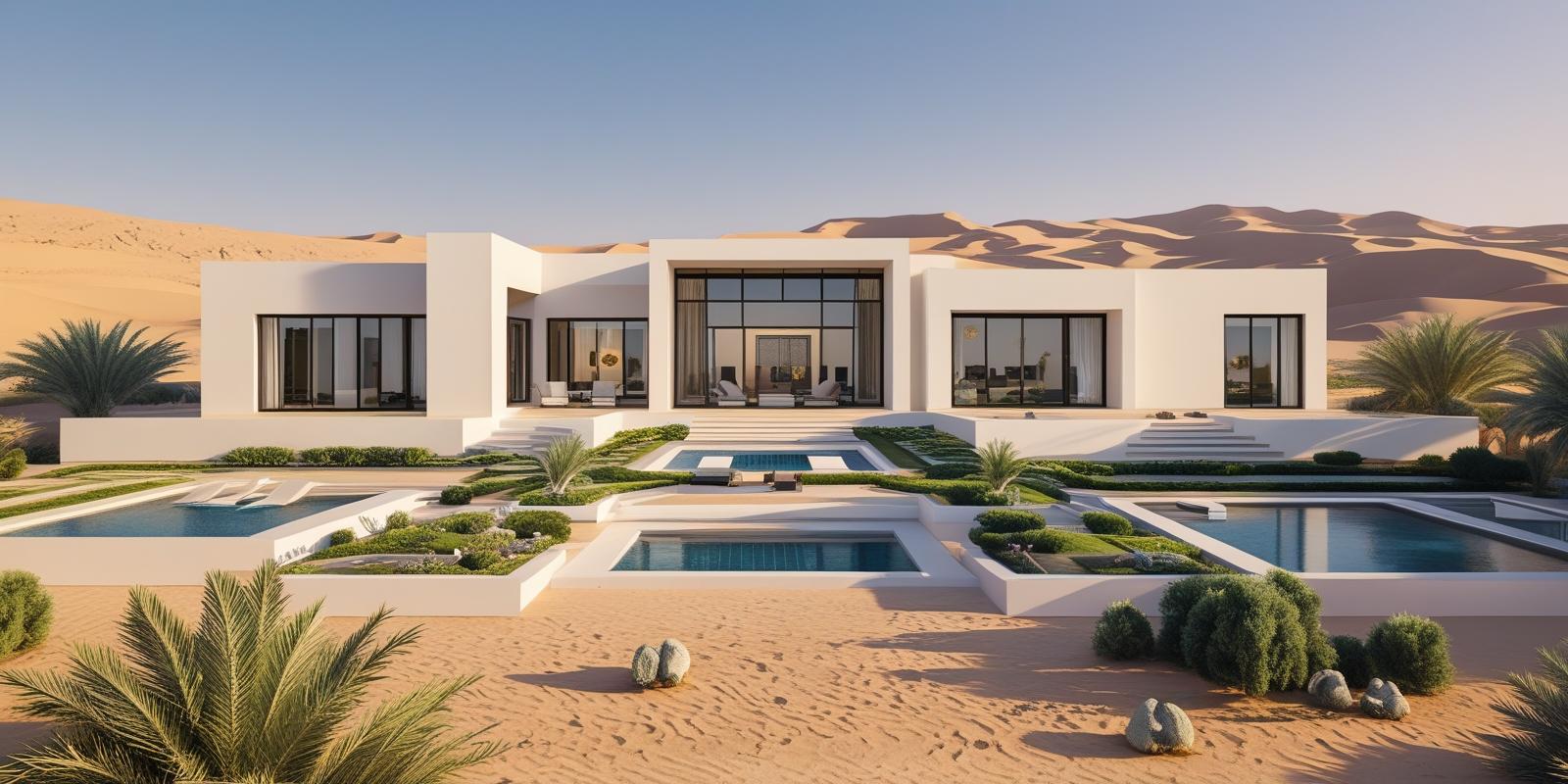
Why Saudi-Specific Applications Stand Out
In Saudi's harsh climate, low-melting-point alloys can deform under heat stress. High-melting-point options like 6063 (~615°C) resist thermal expansion, making them ideal for construction and decor. Plus, aluminum's lightweight nature (density ~2.7 g/cm³) cuts transport costs, a big win for large-scale projects.
| Alloy Type | Melting Point (°C) | Key Benefits | Hero Metal Product |
| Pure Aluminum | 660 | Lightweight, Easy to Shape | Pure Aluminum Trim for Indoor Decor |
| 6061 | 582-652 | Corrosion-Resistant | 6061 Aluminum Tile Edge |
| 5052 | 607-649 | Strong and Durable | Coastal-Grade Aluminum Trim |
How to Pick the Right Aluminum for Your Project
Choosing aluminum isn't just about looks-it's about performance. Here's a quick guide to get it right:
- ● Consider the Environment: For Saudi's hot climate, pick alloys with melting points above 600°C, like 6061 or 6063, especially for outdoor or industrial use.
- ● Check Specifications: Opt for 1-2mm thick trims with anodized finishes to fight corrosion. Our aluminum profile products include detailed specs for easy selection.
- ● Verify Quality: Look for melting point certifications. We provide third-party test reports for peace of mind.
- ● Budget Wisely: Aluminum trims range from $2-5 per meter, a cost-effective alternative to stainless steel.
Fun fact: Searches like "aluminum melting point for construction in KSA" are trending among contractors. Always balance melting point with strength for the best results.
FAQ: Aluminum Melting Point Questions Answered
Q: Why does the melting point matter for home decor?
A: It ensures trims stay intact during installation or heat exposure, keeping your design flawless.
Q: What's best for Saudi's climate?
A: 6061 alloys offer great heat resistance and durability.
Q: How does aluminum compare to stainless steel?
A: It's lighter and cheaper but has a lower melting point, so it's best for moderate conditions.
Q: How do I maintain aluminum?
A: Avoid heating above 500°C and clean with mild soap to keep it shining.
Want to geek out on alloys? Explore Wikipedia's Aluminium Alloy page for more details.
Ready to Build Smarter?
From Riyadh villas to Neom's futuristic skyline, understanding aluminum's melting point helps you choose materials that last. At Hero Metal, our aluminum trims are crafted with high-melting-point alloys for durability and style. Whether you're a homeowner or a contractor, we've got you covered. Visit us today to download a free material guide, request a sample, or get a custom quote. Let's make your next project shine!