Everything You Need to Know About Tile Trims: Types, Benefits, and How to Choose the Right One
Leave a message
What Is Tile Trim?
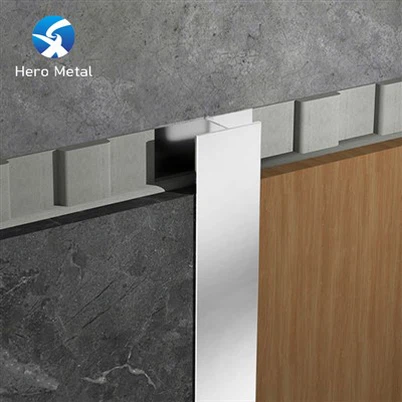
Tile trim is a decorative and protective finishing product used to cover and secure the edges of tile installations. It not only enhances the aesthetic appeal of your tiling but also protects edges from damage, offering both function and style in your home or commercial projects.
Types of Tile Trims: Which One is Right for You?
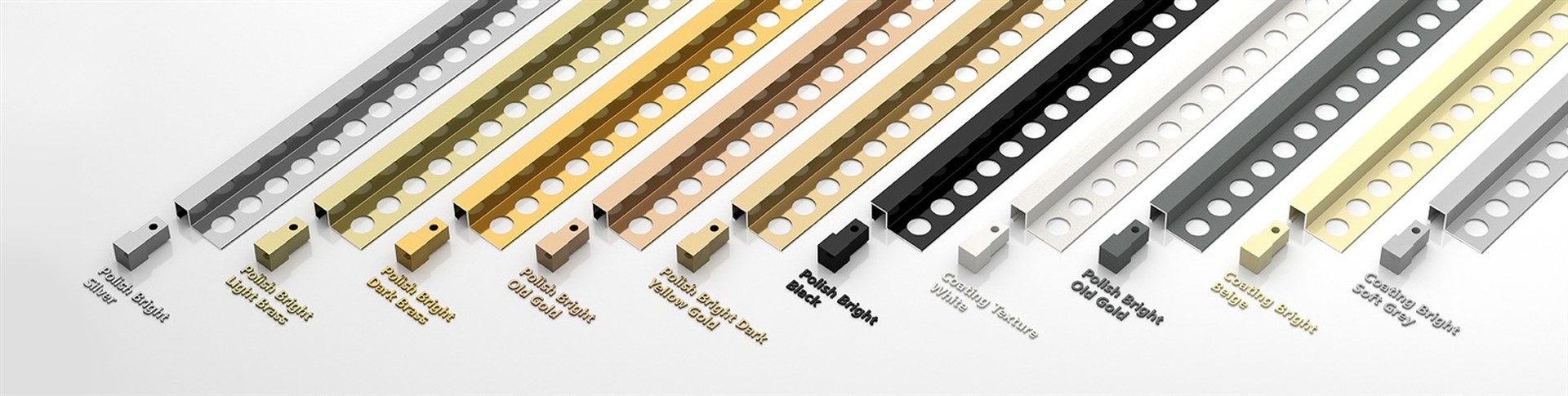
Tile trims come in a variety of materials and designs, each suited to different project needs. Below are some of the most popular types:

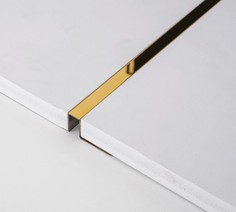


Aluminum Tile Trim: Lightweight, resistant to corrosion, and cost-effective. Ideal for residential and light commercial projects.
Stainless Steel Tile Trim: Durable and sleek, perfect for high-end or commercial spaces where longevity and appearance are important.
PVC Tile Trim: A budget-friendly option that is easy to install, often used in high-moisture areas like bathrooms and kitchens.
Brass Tile Trim: Adds a premium, decorative touch, often used for luxury designs.
Benefits of Tile Trims: Why You Need Them
Protection: Tile edges are vulnerable to chipping and wear. Tile trims act as a protective barrier, extending the life of your tile installation.
Aesthetic Appeal: Tile trims provide a clean, professional finish that enhances the overall look of the installation. Whether it's a sleek aluminum or a decorative brass trim, the right trim can elevate your project.
Durability: The right trim material ensures that the edges of your tiles remain intact and resist damage over time, even in high-traffic or high-moisture areas.


Where Are Tile Trims Used?

Tile trims are versatile and can be used in various settings, including:
Bathrooms & Kitchens: Protects edges in areas exposed to water and moisture.
Floors & Walls: Offers a neat finish at corners and transitions.
Commercial Spaces: Ensures durability and professional appeal in offices, hotels, and retail spaces.
How to Choose the Right Tile Trim for Your Project
Choosing the right tile trim depends on several factors:
Material: Consider the environment (moisture levels) and the expected wear and tear.
Design: Match the trim design with the style of your tiles and the overall decor of the space.
Size & Shape: Ensure the trim complements the dimensions of your tiles for a seamless finish.
Installing Tile Trims: Easy and Effective
Installing tile trim is a simple process, typically involving cutting the trim to size and securing it using adhesive or nails. Here's a quick guide:
Measure and Cut: Ensure your trim fits the edges of your tiling.
Secure the Trim: Apply adhesive or fix the trim in place with nails or screws.
Finish: Seal the trim edges for a polished, long-lasting result.
Ready to Enhance Your Tiling?
Tile trims are essential for achieving professional-quality installations that are both durable and visually appealing. Whether you're a contractor, wholesaler, or DIY enthusiast, we offer a wide range of high-quality trims to suit your project needs.
FAQ
Q: 1. What is tile trim, and why do I need it?
A: Tile trim is a finishing product used to cover the edges of tiles and provide a clean, professional look. It helps protect tile edges from damage, prevents water infiltration, and enhances the overall aesthetic of your tiling project.
Q: 2. What are the different types of tile trims available?
A: There are several types of tile trims, including:
Aluminum: Lightweight, corrosion-resistant, and cost-effective.
Stainless Steel: Durable, sleek, and ideal for high-end designs.
PVC: Affordable and ideal for moisture-prone areas like bathrooms.
Brass/Copper: Adds a luxurious, decorative finish.
Q: 3. Can tile trims be used in both residential and commercial spaces?
A: Yes, tile trims are versatile and suitable for both residential and commercial settings. Whether it's for your kitchen, bathroom, or a hotel lobby, there's a tile trim designed to fit your specific needs.
Q: 4. How do I choose the right tile trim for my project?
A: Consider the following:
Material: Choose based on moisture levels and durability requirements.
Design: Match the trim with the style of your tiles and space.
Size: Ensure the trim fits the dimensions of your tiles for a seamless look.
Q: 5. Can tile trims be installed in wet areas like bathrooms?
A: Yes, many tile trims are designed for wet areas, including bathrooms and kitchens. Stainless steel and PVC trims are particularly suitable for moisture-prone environments due to their water-resistant properties.
Q: 6. Are tile trims easy to install?
A: Tile trims are relatively easy to install. They can be cut to size and fixed in place with adhesive, nails, or screws. Installation is typically a DIY-friendly process, but professional installation can ensure the best results.
Q: 7. How long do tile trims last?
A: Tile trims are designed to be durable and long-lasting. High-quality trims made from aluminum or stainless steel can last for many years, withstanding wear and tear, moisture, and general environmental factors.
Q: 8. Can tile trims be used with any type of tile?
A: Yes, tile trims can be used with most tile types, including ceramic, porcelain, and stone tiles. Just make sure the trim material complements the tile material for both aesthetic and functional reasons.
Q: 9. What are the advantages of stainless steel tile trims?
A: Stainless steel trims offer high durability, corrosion resistance, and a sleek, modern look. They're perfect for high-end residential projects and commercial applications, providing both style and functionality.
Q: 10. Where can I buy tile trims in bulk for my business?
A: We offer competitive bulk pricing on tile trims for wholesalers, contractors, and brand owners. Contact us directly for a quote or to request a sample. We provide timely delivery and customizable options to meet your specific business needs.
Contact us today for bulk pricing, custom orders, and expert advice!