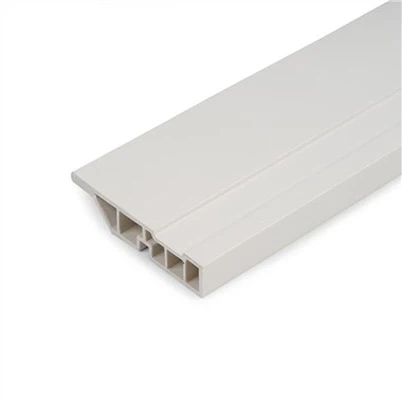
How do you install T-mold transition strips?
Leave a message
T-mold transition strips are essential for creating smooth, professional connections between two flooring surfaces of equal height, such as hardwood to hardwood, laminate to vinyl, or tile to LVP. These versatile T-mold transition strips bridge expansion gaps, prevent tripping hazards, and enhance the aesthetic flow between rooms. Whether you're tackling a DIY flooring project or upgrading doorways, proper installation ensures durability and a polished look. In this guide, we'll cover everything from tools to tips, optimized for T-mold transition strips on various subfloors.
Tools and Materials Needed for Installation
Gather these essentials before starting:
- Measuring tape
- Miter saw or power saw
- Tin snips (for metal tracks)
- Construction adhesive or 100% silicone caulk
- Rubber mallet or hammer
- Drill with concrete bits (for concrete subfloors)
- Concrete screws or dowels (if needed)
- Painter's tape or weights
- Shop vac for cleanup
Preparation Steps
- Measure the Gap: Ensure a 1-1¼ inch expansion gap between floors for natural movement due to humidity. Vacuum debris from the area.
- Choose the Right T-Mold: Select T-mold transition strips matching your flooring height and color. For hardwood, opt for stainable unfinished options if needed.
- Cut to Size: Measure the doorway or joint width twice, then cut the T-mold and any metal track using a saw or snips for precise fit.
Step-by-Step Installation Guide
For Wood Subfloors (Glue-Down or Snap-In Method)
- Apply a thin bead of construction adhesive or silicone in the gap center.
- If using a metal track, snap or glue it into place first, ensuring even spacing.
- Press the T-mold into the gap or track, starting from one end. Use a rubber mallet to tap it secure.
- Secure with painter's tape or weights overnight; avoid gluing the lips to the floors to allow expansion.
For Concrete Subfloors
Cut a slot in the moisture barrier if present, then apply silicone or adhesive directly to concrete.
For screw-down: Drill pilot holes, insert dowels or screws, seal with silicone, and snap T-mold in.
Weight down for 12-24 hours; clean excess adhesive immediately.
Installing T-mold transition strips is a straightforward DIY task that elevates your flooring project. For premium aluminum or custom options, explore high-quality suppliers like HERO METAL for durable, eco-friendly profiles. Ready to start? Contact a professional or grab your tools today-transform your space with flawless transitions!