How to fix a gap between trim and carpet?
Leave a message
A gap between the trim and carpet is a common flooring issue in both residential and commercial projects. It often occurs after carpet installation, baseboard replacement, or natural carpet shrinkage over time. These gaps not only affect the visual finish of a floor but may also create safety risks or cause the carpet edge to fray.
Typical causes include:
- Improper carpet stretching during installation
- Baseboard or wall trim replacement
- Carpet padding compression over time
- Missing or damaged tack strips
- Flooring transitions between different materials
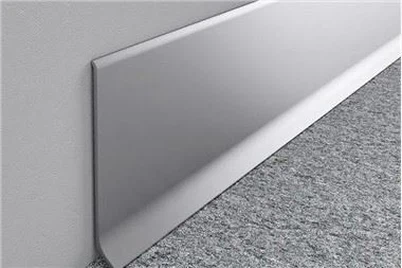
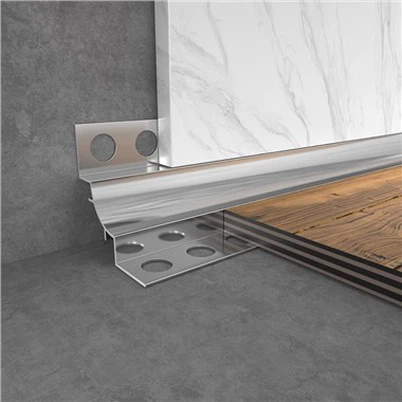
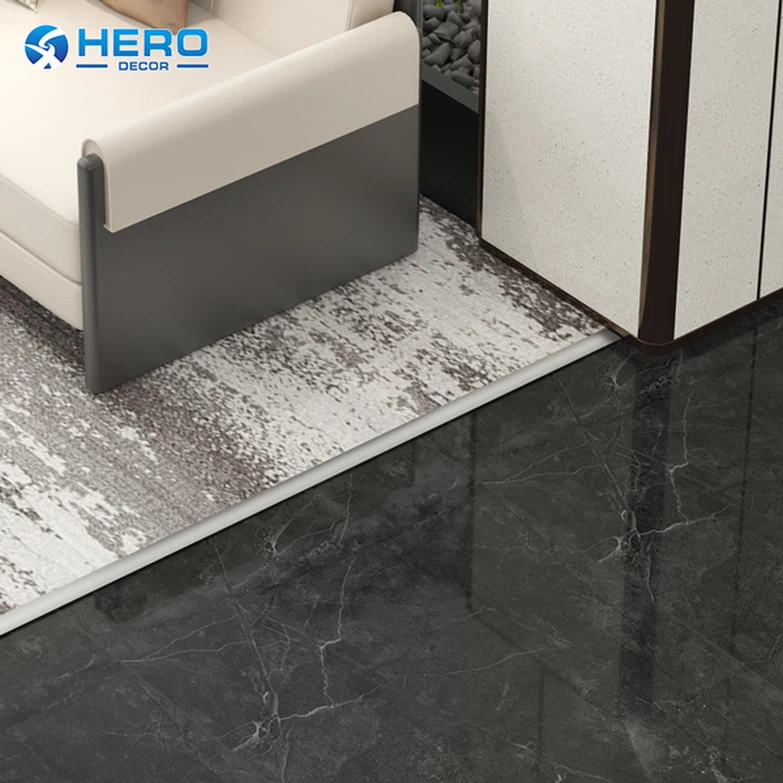
In many professional flooring projects, installers solve this issue by installing a carpet transition strip or aluminum carpet strip to cover the gap and secure the carpet edge. These metal trims create a clean, durable transition while protecting the carpet from wear.
Best Solution: Install an Aluminum Carpet Strip
The most effective and professional way to fix a gap between trim and carpet is by installing an aluminum carpet strip. These metal profiles are designed to bridge flooring transitions while securing carpet edges firmly in place.
Aluminum carpet transition strips are widely used in doorways, hallways, commercial buildings, hotels, and residential flooring projects because they provide:
- Clean and professional floor transitions
- Protection against carpet fraying
- Improved safety by eliminating trip hazards
- Long-lasting durability in high-traffic areas
- Decorative finishes that match modern interiors
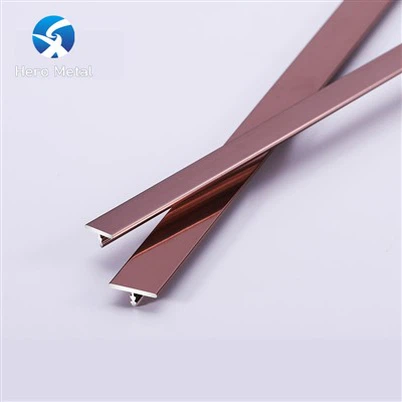
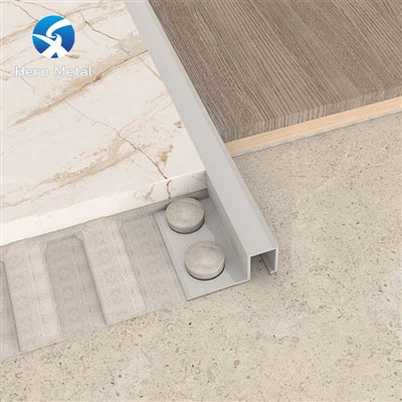
Most aluminum carpet strips are manufactured from durable aluminum alloys and are available in different profiles such as T-shape, Z-shape, and ramp profiles to accommodate various flooring heights.

Installation Guide: How to Fix the Gap?
Follow these professional installation steps to fix the gap between trim and carpet effectively.
1. Measure the Gap
Measure the distance between the carpet edge and the trim or adjacent flooring surface. Choose an aluminum carpet strip that fully covers the gap for a clean finish.
2. Cut the Carpet Strip to Length
Use a hacksaw or metal cutter to trim the aluminum carpet strip to the required length. Most strips are supplied in standard lengths such as 2.5m or 3m and can be easily customized during installation.
3. Position the Transition Strip
Place the strip directly over the carpet edge and the adjacent flooring surface. Ensure the carpet edge is tucked neatly under the trim lip.
4. Secure the Strip
Fix the strip using screws, nails, or adhesive depending on the subfloor type. Pre-drilled holes in many carpet transition strips make installation fast and efficient. :contentReference[oaicite:2]{index=2}
5. Tuck the Carpet Edge
Use a carpet tool or stair tool to tuck the carpet edge under the strip for a tight and clean finish.
Choose a Reliable Aluminum Carpet Strip Supplier
If you are sourcing carpet transition solutions for construction or wholesale distribution, working directly with a professional manufacturer ensures consistent quality and customization.
Hero Metal is a professional Chinese manufacturer specializing in decorative metal trims and flooring transition profiles. Our aluminum carpet strips are widely used in hotels, offices, apartments, and commercial buildings worldwide.

We provide:
- Multiple carpet transition profiles (T, Z, ramp, edge trims)
- Custom colors and finishes
- Bulk supply for distributors and contractors
- OEM & project customization
Hero Metal supplies premium aluminum carpet transition strips for flooring distributors, contractors, and construction projects worldwide.
✔ Custom profiles & finishes
✔ Competitive factory pricing
✔ Stable supply for bulk orders