Must Edge Trims Be Used for Processing Tile Edges
Leave a message
Must Edge Trims Be Used for Processing Tile Edges?
Tile installations are a popular choice for interior design, offering a clean, durable, and stylish solution for flooring and walls. However, when installing tiles, one crucial aspect that many homeowners and contractors face is how to finish the edges. The most common solution is to use edge trims, but is it absolutely necessary to use them for processing tile edges?
In this article, we'll dive into the purpose of edge trims, explore alternatives, and discuss whether they are essential for completing a tile project. You'll gain a clearer understanding of whether edge trims are the best option for your project or if you can skip them.
What Are Tile Edge Trims?
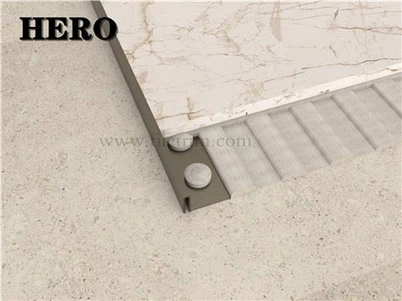
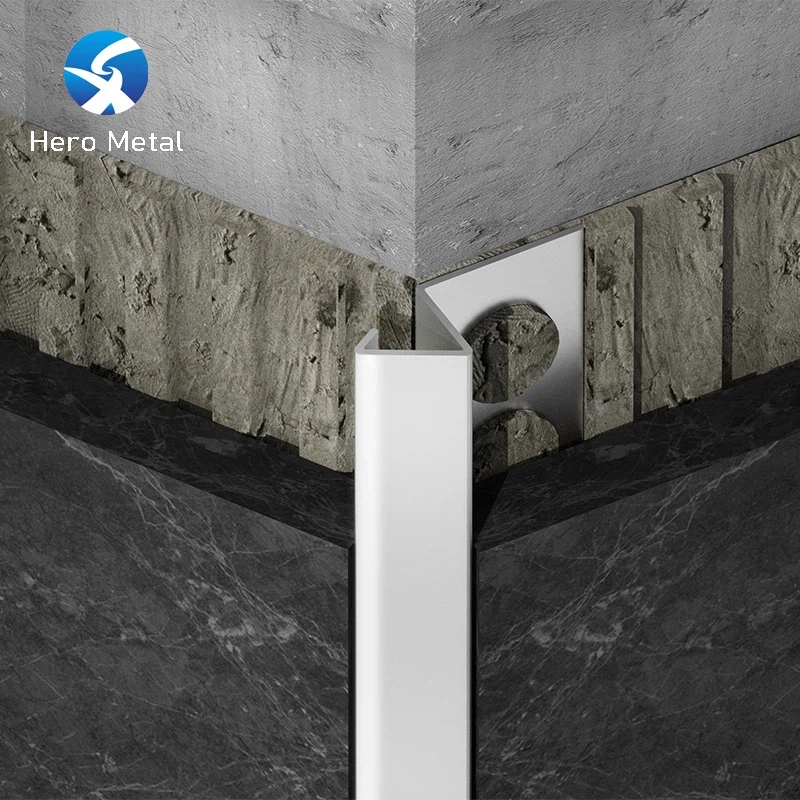
Tile edge trims are finishing strips that are used to cover or protect the exposed edges of tiles. These trims come in various materials, sizes, and styles, serving both functional and aesthetic purposes. They are commonly used to protect the delicate, often sharp edges of tiles from damage while also providing a smooth, neat finish.
Different Types of Tile Edge Trims
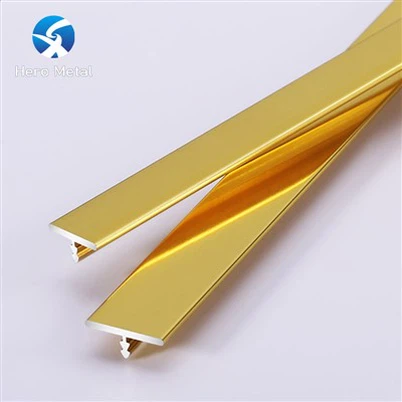
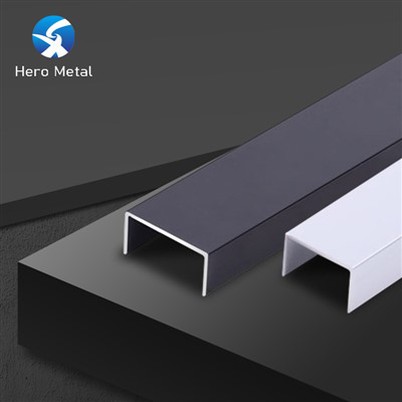
Metal Edge Trims: These trims are often made of stainless steel, aluminum, or brass and offer a sleek, modern look. Metal trims are resistant to corrosion and are ideal for high-traffic or wet areas like kitchens and bathrooms.
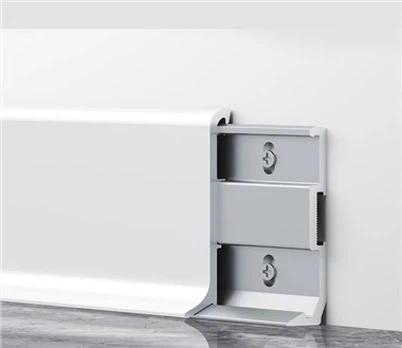
Plastic Edge Trims (PVC): These are affordable and versatile, coming in a wide range of finishes, including matte, gloss, and textured options. PVC trims are suitable for most indoor environments and are available in different colors.
Ceramic Edge Trims: Made from the same material as the tiles themselves, ceramic trims blend seamlessly with the tile surface for a cohesive look. These are often used when you want a more uniform and traditional appearance.
Why Use Tile Edge Trims?
Tile edge trims offer several important benefits, both functional and aesthetic. Let's explore why they are commonly used in tile installations.
Protection for Tile Edges
Tiles, especially ceramic and porcelain varieties, can have sharp edges that are prone to chipping, cracking, or breaking over time. Edge trims act as a protective barrier, helping to prevent damage to the tile edges. This is particularly useful in high-traffic areas or locations where the tiles may be exposed to moisture or physical impacts.
Aesthetic Appeal
Edge trims provide a polished, professional finish to tile installations. The exposed edges of tiles can appear rough and unfinished, but with edge trims, the entire look of the installation becomes more uniform and clean. Trims also allow for a smooth transition between tiles and other materials (like walls, countertops, or flooring), enhancing the overall aesthetic of the space.
Enhanced Durability
Besides protecting the edges from chips and cracks, edge trims help improve the longevity of the entire tile installation. They prevent water from getting into the grout joints, reducing the chances of mold or mildew growth, especially in bathrooms or kitchens.
When Are Edge Trims Necessary?
While edge trims offer many advantages, they are not required in every tile installation. Whether you need edge trims depends on several factors:
Tile Material
The type of tile you are using plays a significant role in determining whether edge trims are necessary. For example, tiles with naturally rounded or finished edges (such as bullnose tiles) typically don't require edge trims. On the other hand, tiles with sharp, raw edges (like certain ceramic or porcelain tiles) should be finished with edge trims to avoid injury or damage.
Installation Area
The area where the tiles are being installed also impacts the need for edge trims. In high-moisture areas like bathrooms or kitchens, edge trims are often essential to prevent water infiltration, which can cause long-term damage to the edges of tiles. In dry areas or spaces with minimal traffic, you might be able to skip edge trims if you are using tiles with smooth, finished edges.
Alternatives to Edge Trims
While edge trims are a popular choice, there are alternative methods for finishing tile edges. These methods can offer a similar look or function without the need for traditional trims.
Polished Edges
In some cases, tile edges can be polished to achieve a smooth, rounded finish without the use of trims. This is often done for porcelain, marble, or granite tiles. Polishing the edges requires specialized tools, such as a wet saw or grinder, but it creates a clean, sleek look without the need for additional pieces.
How to Polish Tile Edges
To polish tile edges, use a diamond polishing pad or grinder designed for the material of your tile. This method takes time and skill to get a smooth, glossy finish, but it can be an excellent option for high-end or custom tile installations.
Bullnose Tiles
Another alternative to edge trims is using bullnose tiles, which are pre-rounded tiles designed for use at corners or edges. These tiles are molded with a finished edge, eliminating the need for separate edge trims. However, bullnose tiles can be more expensive than standard tiles, and the design options may be limited compared to traditional edge trims.
Myths About Tile Edge Trims
There are several misconceptions about tile edge trims that can create confusion for homeowners and installers. Let's clear up some common myths.
Edge Trims Are Only for Professionals
Some people believe that installing edge trims is a complex task that requires professional expertise. In reality, installing edge trims is a straightforward process that can be done by most DIYers with the right tools and instructions. The trims are easy to cut, measure, and attach to the tile edges.
Edge Trims Make Tiles Look Unattractive
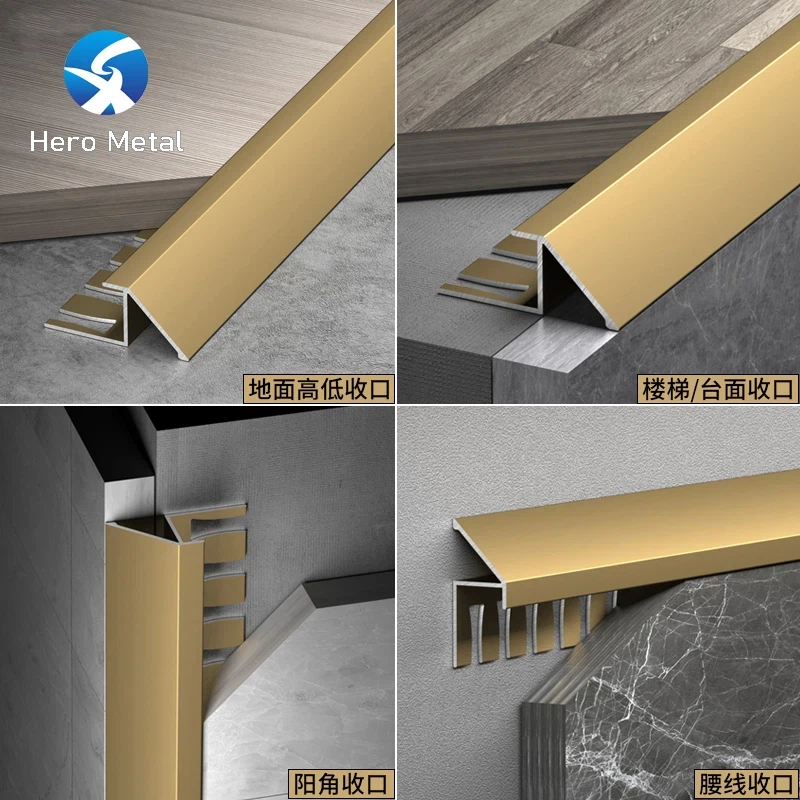
Another common myth is that edge trims detract from the appearance of the tiles. In fact, when chosen and installed properly, edge trims can enhance the overall design, providing a sleek and polished finish. With the variety of finishes and materials available, it's possible to find an edge trim that complements any tile style.
How to Install Tile Edge Trims
If you decide to use edge trims, the installation process is relatively simple. Here's a general guide on how to install them:
Step 1: Prepare the Tile Surface
Ensure the edges of the tiles are clean and free of debris. Measure the length of the edge where the trim will be applied to ensure an accurate fit.
Step 2: Cut the Edge Trims
Use a tile cutter or a hacksaw to cut the edge trim to the appropriate length. Be sure to leave a small gap between the trim and the edge of the tiles to allow for expansion.
Step 3: Attach the Edge Trim
Apply a thin layer of adhesive or grout to the edge of the tile, then press the trim into place. Make sure the trim is aligned properly with the tile edge. Allow the adhesive to dry completely before continuing.
Common Problems with Tile Edge Trims
While edge trims are generally easy to install, there are a few potential issues to be aware of:
Misalignment and Gaps
Improperly aligned edge trims can create visible gaps between the tile and the trim, which can affect the overall appearance of the installation. To avoid this, measure carefully and ensure that the trim is flush against the tile.
Trims That Don't Match the Tile Style
Not all edge trims will complement every type of tile. When selecting edge trims, be sure to choose one that matches the color, texture, and finish of your tiles to ensure a cohesive look.
Do You Need to Use Edge Trims?
In conclusion, whether or not you need to use edge trims depends on several factors. While edge trims provide protection, aesthetics, and durability, they are not always required. For tiles with finished or rounded edges, you might be able to skip the trims. However, for tiles with sharp, raw edges or installations in high-traffic areas, edge trims are often essential for a professional and long-lasting finish.
Ultimately, the decision comes down to the type of tiles, the installation environment, and your personal preferences.
FAQs
1. Do all tile installations need edge trims?
No, edge trims are not necessary for every tile installation. Tiles with rounded or finished edges may not require trims.
2. Can I install edge trims myself?
Yes, installing edge trims is a simple DIY task that can be done with basic tools.
3. What are the alternatives to using edge trims?
Alternatives include polished edges and bullnose tiles, both of which can provide a clean finish without the need for additional trims.
4. Are metal edge trims better than plastic trims?
Metal trims are more durable and suitable for high-traffic areas, while plastic trims are more affordable and come in a variety of finishes.
5. Can I polish tile edges without using trims?
Yes, polishing the tile edges can give them a smooth, finished appearance without the need for trims.
6. How do I maintain tile edge trims?
Clean and seal the edge trims regularly to protect them from moisture and dirt, ensuring they maintain their appearance over time.