

The Ultimate Guide to Tile Leveling Systems
Leave a message
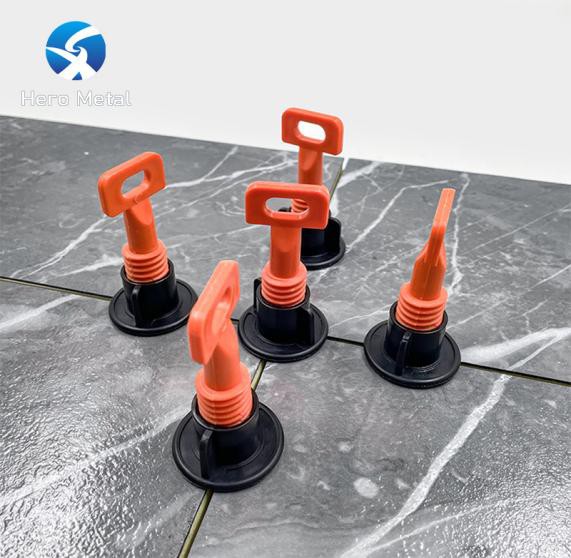
A tile leveling system is an innovative tool designed to ensure tiles are laid evenly and without lippage (height differences between adjacent tiles). These systems are particularly useful for large-format tiles or uneven substrates, allowing for professional-looking, flat, and seamless finishes. Composed of clips, wedges, or caps, and pliers, these tools help to align tiles during the drying process, reducing installation errors and enhancing the overall aesthetic of a tiling project.

Why Use a Tile Leveling System?
1.Prevents Lippage
Lippage is a common issue when laying tiles, where the edges of adjacent tiles are uneven. This can result from irregularities in tile thickness or a non-flat subfloor. A tile leveling system interlocks the tiles, keeping them aligned and flat as the adhesive sets, preventing tile movement and ensuring a smooth, professional finish.
2.Faster Installation
Traditional tiling methods often involve repetitive adjustments to align tiles properly. With a leveling system, this process is streamlined. The clips and wedges hold the tiles in place, reducing the need for constant manual realignment and lifting tiles to add adhesive. This significantly cuts down on installation time, allowing for faster project completion.
3.Easy to Use
Tile leveling systems are surprisingly user-friendly, making them ideal for both professional contractors and DIY enthusiasts. Once the adhesive is applied and the tiles are laid, inserting the clips and wedges is straightforward. Pliers are then used to tighten the system, ensuring each tile is level. This process is much simpler and quicker than adjusting each tile manually.


Key Components of a Tile Leveling System
1.Clips
The clips are placed under the tiles, typically at their corners. These clips create space between the tiles and act as the foundation of the leveling system. They help align tiles and hold them steady during the curing process.
2.Wedges or Caps
Once the clips are in place, wedges or caps are inserted to apply downward pressure on the tiles, further aligning them and preventing height differences. Wedges are more commonly used, but some systems may utilize caps depending on the design
TILE LEVELING SYSTEM.
3.Pliers
The pliers tighten the wedges or caps into place, applying the necessary force to ensure the tiles are level. The ergonomic design of these tools makes them easy to use and allows for even pressure distribution, ensuring no tile is higher or lower than the adjacent one.
How to Use a Tile Leveling System: Step-by-Step
1.Surface Preparation
Start by ensuring the subfloor or wall surface is clean and flat. Any debris, dirt, or imperfections can affect the leveling process. Proper surface preparation is key to achieving the best results.
2.Tile Installation
Apply your chosen adhesive to the surface, using a notched trowel to ensure even application. Lay the first tile, leaving room for grout joints. Next, place clips at the corners of the tile, ensuring they sit flush with the edges.
3.Wedge or Cap Insertion
Lay the adjacent tile, pressing it against the clip. Then, insert a wedge or cap into the clip and use pliers to tighten it. This ensures that both tiles are perfectly level. Continue this process for the entire surface.
4.Grouting
Once the adhesive has set (usually after 24 hours), gently remove the wedges or caps by kicking or tapping them out. This leaves a flat surface, ready for grout application.

Benefits of Tile Leveling Systems
1.Aesthetic Appeal
The most immediate benefit of using a tile leveling system is the flawless finish it creates. Tiles will be perfectly aligned with minimal effort, resulting in a professional-grade appearance. This is particularly important for large-format tiles or intricate designs where even small misalignments can be glaring.
2.Durability
By ensuring tiles are level, a tile leveling system minimizes the risk of tiles cracking or coming loose over time. Uneven tiles can create pressure points, leading to damage, but a properly leveled surface distributes weight and stress more evenly.
3.Cost Efficiency
Although tile leveling systems add an initial cost to a tiling project, they save money in the long run by preventing costly mistakes and reducing labor time. Faster installation means fewer labor hours, and the durable results mean fewer repairs or replacements in the future
TILE LEVELING SYSTEM
.
Different Types of Tile Leveling Systems
While most tile leveling systems operate on the same basic principle, there are different types to choose from based on your needs:
1.Clip-and-Wedge Systems
These are the most common systems, where plastic clips are placed under the tiles, and wedges are inserted to level them. The system is tightened using pliers, ensuring a flat surface.
2.Cap-Based Systems
Some systems use reusable caps instead of wedges. These caps are placed over the clips and tightened to level the tiles. Cap-based systems tend to offer more even pressure distribution and are often preferred for larger projects.
3.Self-Leveling Systems
These systems automatically adjust tile height as they are set, without the need for manual tightening. They are ideal for DIY users or those new to tiling, offering an even more simplified approach.

Common Mistakes to Avoid
1.Not Preparing the Surface
Skipping the surface preparation step can lead to poor results. Make sure the subfloor is flat and free of debris before starting.
2.Using the Wrong Amount of Adhesive
Too much or too little adhesive can lead to uneven tiles. Always follow the manufacturer's guidelines for adhesive application.
3.Over-Tightening the Clips
Over-tightening can cause tiles to shift or crack. Use just enough pressure to level the tiles without forcing them.
Conclusion
A tile leveling system is an essential tool for achieving a professional-quality tiling project. It prevents lippage, speeds up installation, and ensures the longevity of your tile work. Whether you're a seasoned contractor or a DIY enthusiast, investing in a tile leveling system will pay off in the form of perfect, long-lasting results.
About Foshan Hero Metal:
Foshan Hero Metal Co., Ltd., established in 2007, is a large-scale manufacturer specializing in decorative and building materials. With a factory covering 25,000 square meters, over 200 dedicated workers, and a robust R&D team of 10 talented engineers, we have the capacity to produce up to 2,000,000 pieces per month-50% higher than the industry average. We offer a comprehensive one-stop solution for building material traders, including tile trims, floor trims, stair nosing, transition strips, skirting boards, and more. Our high-quality products are sold in over 100 countries, with key markets in the U.S.A, Europe, Australia, the Middle East, and Russia. We have successfully helped over 200 brands, including leading companies in the UK and Spain, to significantly boost their sales.
Why choose us:
3000+ mold for patented design, new items updated every month.
15-20days delivery time,50% precent faster than overall level.
Extreme long color and surface stability, 10 years quality warranty.
300tons material in store, keeping stable and long-term price.
Marketing tool kits support, including (photo, video, catalogue design, display showcase, free brand design).
For more information about the Tile Trim Profile and HERO's full range of decorative profile solutions, please contact us.
Email: info@herometal.net
Tel/Whatsapp: +86 18520965422
Facebook: https://www.facebook.com/fsherometal
Linkedin: https: //www.linkedin.com/company/28732642/admin/
Youtube:https://www.youtube.com/@Tiletrim
Tiktok:https://www.tiktok.com/@tiletrimdecoprofile


