Types Of Tile Expansion Joints: A Comprehensive Guide
Leave a message
TGuide to Choosing the Right Tile Expansion Joint:
Types and Applications
In modern architecture and interior design, tiles are a preferred material for floors and walls due to their aesthetic appeal, durability, and ease of maintenance. However, many people might overlook a crucial detail: Tile Expansion Joints, often referred to as Movement Joints. These seemingly minor gaps play a vital role in ensuring the long-term stability and aesthetic integrity of tile installations.

What are Tile Expansion Joints?
Tile expansion joints are pre-reserved gaps in tiled areas, filled with elastic materials (such as silicone sealants or specialized expansion joint profiles). Their primary purpose is to absorb stresses caused by temperature changes, humidity, structural settlement, vibrations, and the expansion and contraction of the materials themselves. Without these expansion joints, tiles may crack, buckle, or detach due to excessive internal stress, severely affecting their service life and overall appearance.
Why Do Tiles Need Expansion Joints?
Both tiles and their underlying substrates undergo slight dimensional changes with variations in environmental conditions. For example:
🌡️ Thermal Expansion
When temperatures rise, tiles and substrates expand; when temperatures fall, they contract. This continuous expansion and contraction exerts immense pressure on the tiled surface.
💧 Humidity Changes
Some tile materials, especially natural stone, absorb moisture and expand, then contract when dry.
🏗️ Structural Movement
Buildings themselves can experience slight movements due to foundation settlement, wind loads, or seismic activity, and these movements are transferred to the tile layer.
Expansion joints effectively alleviate these stresses by providing the necessary "breathing room," thereby protecting the integrity of the tile installation.
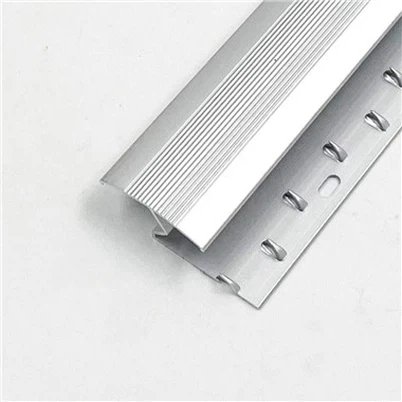
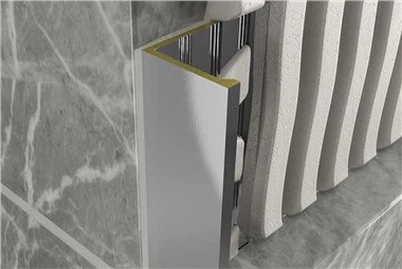
Based on their function and placement in tile installations, tile expansion joints are generally categorized into the following types:
How to Choose and Install Tile Expansion Joints?
Selecting and installing appropriate tile expansion joints requires considering various factors, including tile type, installation area, environmental temperature changes, substrate stability, and anticipated loads. Here are some key considerations:
📋 Follow Industry Standards
Refer to industry standards such as the Tile Council of North America (TCNA) Handbook Section EJ171, which provides detailed guidance on expansion joint types, locations, and spacing.
🔧 Material Selection
Choose appropriate filling materials based on the type of expansion joint and the expected amount of movement. For example, silicone sealants are suitable for smaller movements, while metal or PVC profiles are used in areas requiring greater displacement.
👷 Professional Installation
The installation of expansion joints requires precision and professionalism. Ensure that installers understand the importance of expansion joints and strictly follow design requirements during construction.
Foshan Hero Metal Co., Ltd: Your Tile Expansion Joint Expert
As a professional manufacturer of decorative and building materials, Foshan Hero Metal Co., Ltd possesses extensive experience and expertise in the field of tile expansion joints. We offer a wide range of high-quality expansion joint products, including:
🔧 Movement Joint Profiles
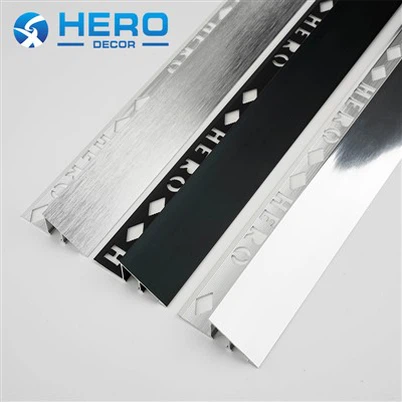
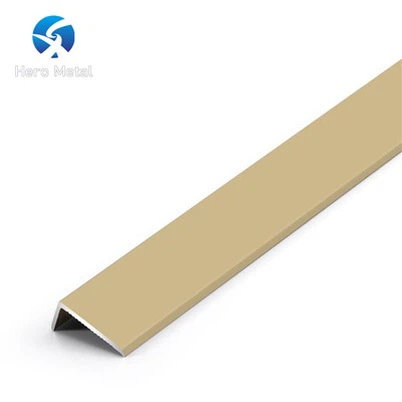
Our movement joint profiles are made from high-quality aluminum, stainless steel, or PVC, and are meticulously designed to effectively absorb various stresses in tile installations, ensuring the long-term stability and aesthetic appeal of tile systems. Our products are widely used in residential, commercial, and industrial projects and have been sold to over 100 countries worldwide.
We understand the critical role of expansion joints in tile installation and are committed to providing customers with solutions that meet international standards (such as ISO 9001, CE RoHs certification). Whether you need standard products or customized solutions, our professional team can provide comprehensive services from pre-sales consultation to after-sales installation guidance, ensuring the success of your project.

In summary
Tile expansion joints are not optional decorations but indispensable functional components in tile installations. Correctly understanding and applying different types of expansion joints is key to ensuring the quality of tile installations and extending their service life.
By choosing a trustworthy partner like Foshan Hero Metal Co., Ltd, you will receive professional advice and high-quality products, safeguarding your projects.
© 2025 Foshan Hero Metal Co., Ltd | Professional Tile Expansion Joint Solutions Provider
For more product information, visit: www.tiletrim.com