How to Transition Tile to Carpet Flawlessly? (Avoid Costly Mistakes)
Leave a message
If you're asking "how to transition tile to carpet?," you've hit one of the most critical points in any flooring project. It's not just about covering a gap; it's about safety, durability, and aesthetics. As a professional, I can tell you that the secret to a flawless transition lies in correctly identifying the height difference and choosing the right carpert transition profile.

Step 1: Precisely Measure the Height Difference
Before you start, we must precisely measure the height difference between the finished tile surface and the finished carpet surface. This measurement is the key factor in determining which type of transition strip you need.
1.How to Choose the Correct Profile:
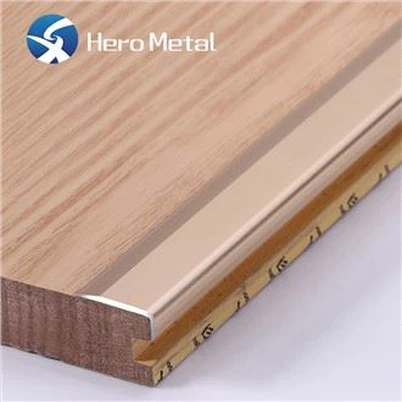
- Same Height (Flush): Use a T-Molding or a flat metal strip. These are best for situations where both floors are perfectly level, providing the cleanest, most minimal look.

- Slight Difference (Up to 1/4 inch / 6mm): A Z-Bar is an excellent choice. It securely "locks" the carpet edge beneath the profile, preventing fraying and movement while maintaining a minimal vertical change.

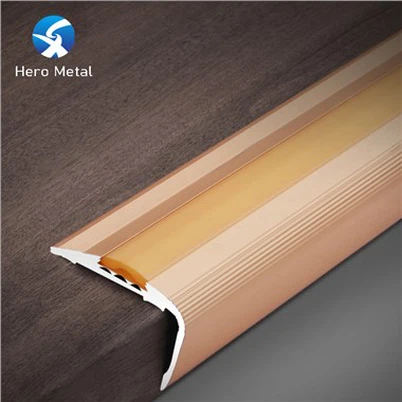
- Significant Difference (Over 1/4 inch / 6mm): You absolutely need a Ramp or Reducer Profile. This is the most professional solution, as it creates a gentle, safe slope. In commercial settings, this is vital for meeting accessibility standards (like ADA), which mandate a bevel or ramp for changes over 1/4 inch.

Step 2: Ensure Secure Anchoring of the Profile
For a durable, professional finish, especially in high-traffic areas, I strongly recommend using a heavy-duty aluminium transition profile. While installation methods vary, the most secure involves mechanical fastening:
- Screw-Down Method: Many professional profiles come with a base track that is screwed directly into the subfloor. The top profile then snaps or clips into this base, completely concealing the fasteners for a clean appearance.

- Adhesive Method: For lighter traffic or areas where drilling is not feasible, a high-strength construction adhesive can be used. However, always ensure the profile has a wide, flat base for maximum contact and bonding strength.
The key is to ensure the profile is firmly anchored and the carpet edge is securely tucked beneath the profile's lip to prevent fraying and movement. A correctly installed metal profile protects both the tile and carpet edges, making the transition virtually maintenance-free.
Step 3: Accessibility Considerations for Commercial Projects
In commercial projects, we can't just focus on aesthetics; ADA Compliance is mandatory. A non-compliant transition strip is not only a tripping hazard but can also lead to project failure.
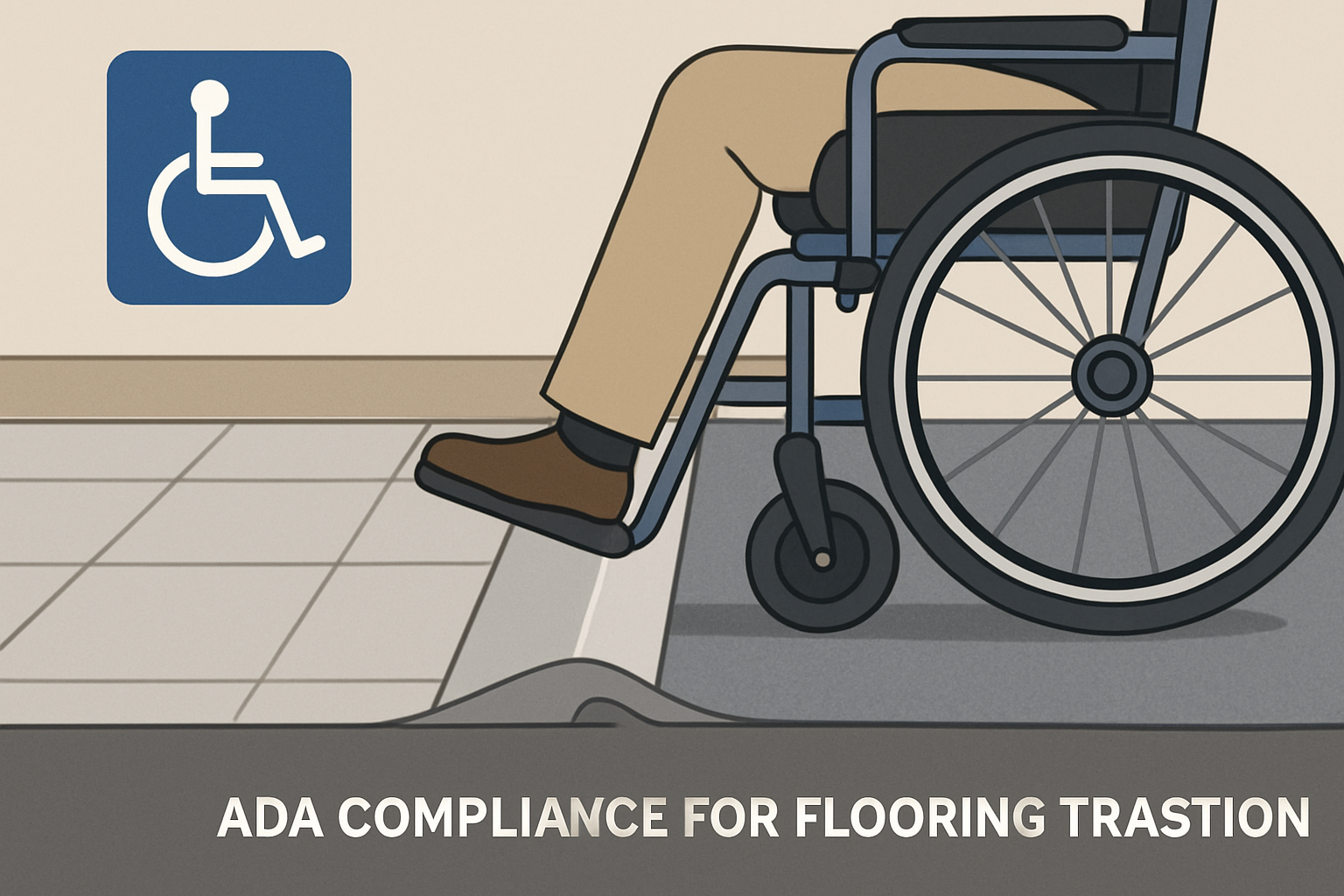
My Professional Advice: Always choose a ramp profile designed to meet ADA standards. These profiles have a precisely calculated slope, ensuring smooth passage for wheelchairs and carts. This is not just a legal requirement; it is a mark of professional quality and respect for all users.
Need Bulk or Custom Profiles for Your Next Project?
If you are a contractor or wholesaler, contact us directly for factory-direct pricing on professional-grade aluminium transition profiles.
Request Factory Quote Now*HERO METAL is a leading manufacturer specializing in high-quality metal decorative profiles, providing factory-direct solutions to global wholesalers and contractors.*